
The new meaning of Shalom in contemporary times
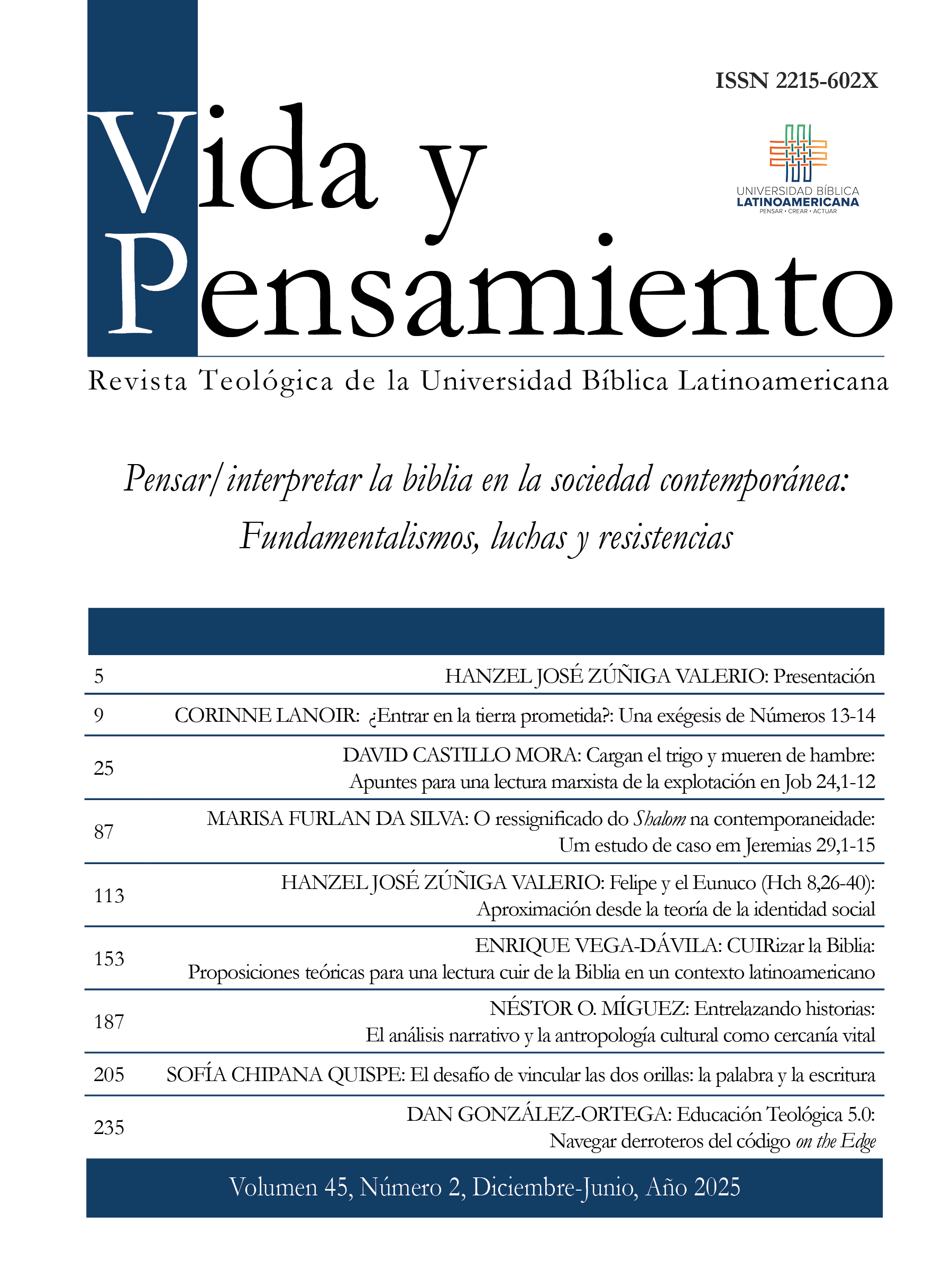
A case study in Jeremiah 29:1-15
Abstract
This study analyzes Jeremiah 29:1–15 within the context of the Babylonian exile, highlighting the theological redefinition of the concept of shalom. Rather than associating it with territorial possession or political stability, the text proposes a relational and multidimensional understanding, valid even amid displacement and adversity. The prophet instructs the exiles to engage in daily life and seek the welfare of the city where they reside, subverting the logic of resentment and immediate resistance. In the letter, shalom is presented as an active and collective responsibility, involving constructive integration, intercession for enemies, and reciprocal well-being. This perspective breaks with temple-centered theology and anticipates the spirituality of the New Covenant, marked by the internalization of faith and personal transformation. In a contemporary society shaped by individualism, polarization, and social fragmentation, the Jeremian shalom emerges as a collective project that transcends the mere absence of conflict, encompassing justice, health, inclusive prosperity, and restored relationships. The prophetic proposal calls for active hope, mutual responsibility, and constructive engagement with the present, offering a theologically relevant model for contextual, public, and social theologies.
Downloads
Copyright (c) 2025 Marisa Furlan da Silva

This work is licensed under a Creative Commons Attribution-NonCommercial-ShareAlike 4.0 International License.
The authors who publish in this journal accept the following conditions:
- The authors retain their author rights y grant to the journal the right of first publication, with the work registered with the Creative Commons attribution that allows third parties to use the published material as long as they give appropriate credit to the author and the first publication in this journal.
-
The authors may make other independent contractual agreements for the non-exclusive distribution of the version of the article published in this journal (e.g. include it in an institutional repository or publish it in a book) as long as they clearly indicate that the work was first published in this journal.